Services
Web Accessibility — Your site belongs to everyone.
Accessibility isn't an add-on. It's how your site should have been built from the start.
The problem.
Accessibility regulations are tightening. Your legal team is asking questions. Your marketing team knows it matters but doesn't know where to start. And your website — the one that's supposed to represent your entire organization — has issues you haven't had time to address.
You're not alone. Most organizations know accessibility is important. Far fewer have a plan for it.
The solution.
Accessibility works best when it's part of the foundation — built into the content model, the design system, the editorial workflow, and the development process from the start. That's hard to retrofit, but entirely doable on an existing site.
A truly accessible site is both compliant and usable. It allows a screen reader user to navigate your provider directory, a keyboard-only user to complete your application form, or a parent with low vision to find the information they need about their child's diagnosis at 2 a.m.
We'd love to talk.
Ready to talk through your project? We're ready to hear from you. Drop us a line.
Get In Touch
The process of building for accessibility.
Every site Blend builds meets WCAG 2.2 AA standards as a baseline. Beyond new builds, we help organizations understand where their current site stands and build a realistic plan for improvement — one that prioritizes by severity and impact rather than trying to fix everything at once.
For editorial teams, we provide training that turns accessibility from an abstract requirement into a set of concrete, daily practices.
What can accessibility services include?
A clear picture of where your site stands and a practical plan for getting it where it needs to be.
Audit and planning
- WCAG 2.2 AA audit
- Remediation planning
- Governance recommendations
- Compliance gap analysis
Training
- Writing for accessibility workshop
- CMS-specific accessibility guidance
Ongoing support
- Annual accessibility review
- New content and feature accessibility review
- Monitoring and regression testing

What is an accessibility audit and assessment??
A web accessibility audit is a systematic evaluation of a website against established accessibility standards. The current baseline for web accessibility compliance is WCAG 2.2 AA.
Learn more with our accessibility audit explainer.

Design
Design that works for your audience and your editors — from visual systems and prototyping to accessible, structured interfaces.

Digital Optimization
Get more value from your website through strategic planning, performance auditing, and iterative improvement.

Ongoing Partnership Plans
Development, design, strategy, and consultation — monthly support partnership for sites we built and sites we didn't.
Case Studies
A few accessibility projects we're proud of.

A partnership with a local agency to help integrate a custom Umbraco site for state government.

Well-built sites should live longer than a few years, so Blend helped CNO provide design and accessibility updates within the existing install.
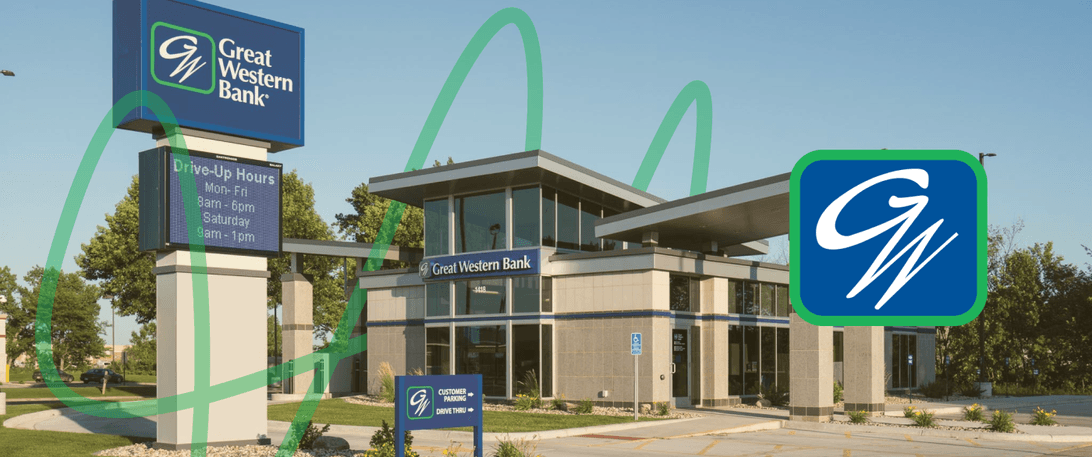
To some, a bank’s front door is the website, which means the website needs to be as inclusive as the building itself.
Our thoughts and guidance on accessibility.
Before you dive into accessibility, here's what's worth thinking through.
Frequently asked questions.
Is our site legally required to be accessible?
For many organizations, yes — particularly those in healthcare, education, financial services, and government. The ADA, Section 508, and emerging state-level regulations all have implications for web accessibility. We're not lawyers and can't provide legal advice, but we can help you understand WCAG compliance requirements and build toward them.
Can you fix accessibility issues on a site Blend didn't build?
Yes. A significant portion of our accessibility work is on sites built by other teams. We start with an audit, deliver a prioritized remediation plan, and can either implement the fixes ourselves or work alongside your development team.
What's the difference between an accessibility overlay and real accessibility?
Accessibility overlays attempt to add assistive features on top of an existing site — things like screen reader adjustments, font size controls, and contrast toggles. While they seem like a quick fix, they don't address underlying structural issues and are widely criticized by the accessibility community. Real accessibility means building it into the site's code, content, and design from the foundation.
Does accessibility hurt design quality?
No — and it often improves it. Accessible design practices (clear typography, sufficient contrast, logical heading structure, intuitive navigation) benefit all users, not just those with disabilities. The constraints of accessibility tend to push design toward clarity and simplicity, which are qualities that improve the experience for everyone.